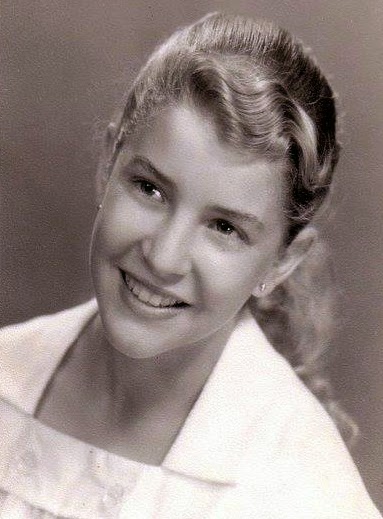
CANTO DA SAUDADE

BIDU SAYÃO
COMPOSITOR: ALBERTO COSTA
PAÍS: BRASIL
ÁLBUM: O LUAR DA MINHA TERRA
GRAVADORA: VICTROLA
GÊNERO: ÓPERA
ANO: 1933
 
          Balduína de Oliveira Sayão, mais conhecida como Bidu Sayão, (Itaguaí, 11 de maio de 1902 — Rockport, Maine, 12 de março de 1999) foi uma célebre intérprete lírica brasileira. Considerada uma das maiores estrelas da ópera de todos os tempos, foi uma das maiores intérpretes do Brasil.
          Filha de Pedro Luiz de Oliveira Sayão e de Maria José da Costa Oliveira Sayão, Bidu Sayão começou estudando canto com Elena Theodorini, uma romena que então vivia no Brasil. Elena a levou para a Romênia, onde continuou seus estudos. Mais tarde, foi para Nice, na França, onde foi aluna de Jean de Reszke, um tenor polonês que a ajudou a consolidar sua técnica vocal. Bidu estreou em 1926 no Teatro Costanzi de Roma, no papel de Rosina em O Barbeiro de Sevilha, de Rossini. Sua estreia no Metropolitan Opera House de Nova Iorque se deu em 1937 no papel de Manon na ópera de Massenet.
       Foi parte do elenco do Metropolitan durante muitos anos. Arturo Toscanini era seu admirador, referindo-se a ela como la piccola brasiliana (traduzido do italiano, significa "a pequena brasileira"). Em fevereiro de 1938, cantou para o casal Roosevelt na Casa Branca. Roosevelt lhe ofereceu a cidadania estadunidense, mas ela recusou. De acordo com ela mesma, "no Brasil eu nasci e no Brasil morrerei". Entretanto, ela morreu de pneumonia nos Estados Unidos em 1999, antes de completar 97 anos, sem realizar um de seus desejos: rever a Baía de Guanabara.
Naquela tarde de inverno sombria
Ao te deixar, deixar pra sempre abandonada
N'alma eu senti, eu senti uma saudade fria
Mais que saudade e dor, mais que dor, ó bem amada!
 
Juventude, sonhos meus
Ilusões, crenças, amores
Sim a tudo, a tudo eu disse adeus
Eu disse adeus, adeus
Ao te deixar por entre flores
 
Ao te deixar, a tudo eu disse adeus
Crenças, amores, sonhos, sonhos meus
 
Eras tão pobre, modesta e tão pequena
Mas eras rica, rica de amor e de mocidade
Em teu regaço a vida, a vida era serena
Quanta lembrança! Oh sim, quanta, quanta saudade!
 
Juventude sonhos meus
Ilusões, crenças, amores
Sim a tudo eu disse adeus, adeus
Ao te deixar por entre flores!
 
Ao te deixar, a tudo eu disse adeus
Crenças amores, sonhos, sonhos meus
Adeus
Adeus
Sonhos, adeus!

LUA BRANCA

JOANNA
COMPOSITORA: CHUQUINHA GONZAGA
PAÍS: BRASIL
ÁLBUM: VINTE ANOS AO VIVO
GRAVADORA: B$MG
GÊNERO: CHORO
ANO: 1999
 
       Francisca Edwiges Neves Gonzaga, mais conhecida como Chiquinha Gonzaga (Rio de Janeiro, 17 de outubro de 1847 — Rio de Janeiro, 28 de fevereiro de 1935) foi uma compositora, instrumentista e maestrina brasileira.
     Foi a primeira pianista chorona (musicista de choro), autora da primeira marcha carnavalesca com letra ("Ó Abre Alas", 1899) e também a primeira mulher a reger uma orquestra no Brasil.
       No Passeio Público do Rio de Janeiro há uma herma em sua homenagem, obra do escultor Honório Peçanha. Em maio de 2012 foi sancionada a Lei 12 624, que instituiu o Dia da Música Popular Brasileira, comemorado no dia de seu aniversário.
    Era filha da união de José Basileu Gonzaga, marechal de campo do Exército Imperial Brasileiro e de Rosa Maria Neves de Lima, filha de escrava alforriada. Contrariando a família, José Basileu casou-se com Rosa Maria após o nascimento de Francisca.
     Chiquinha Gonzaga cresceu em uma família de pretensões aristocráticas (afilhada de Luís Alves de L. e Silva, Duque de Caxias) e conviveu bastante com a rígida família paterna.
        Fez seus estudos normais com o cônego Trindade, um professor de referência, e musicais no piano com o Maestro Elias Álvares Lobo.
     Desde cedo, frequentava rodas de lundu, umbigada e outros ritmos oriundos da África. Aos 11 anos escreve sua primeira composição, a canção natalina Canção dos Pastores.
Oh, lua branca de fulgores e de encanto,
Se é verdade que ao amor tu dás abrigo,
Vem tirar dos olhos meus, o pranto,
Ai, vem matar essa paixão que anda comigo.
 
Ai, por quem és, desce do céu, ó lua branca,
Essa amargura do meu peito, ó vem, arranca,
Dá-me o luar de tua compaixão,
Oh, vem, por Deus, iluminar meu coração.
 
E quantas vezes, lá no céu, me aparecias,
A brilhar em noite calma e constelada.
Em tua luz então me surpreendias
Ajoelhado junto aos pés da minha amada.
 
E a chorar, a soluçar, cheia de pejo,
Vinha em seus lábios me ofertar um doce beijo.
Ela partiu, me abandonou assim,
Oh, lua branca, por quem és, tem dó de mim!

 'TIL A TEAR BECOMES A ROSE

KEITH WHITLEY
SONGWRITERS: RICE WILBURN S & VAUGHN M SHARON
COUNTRY: U. S. A.
ALBUM: KEITH WHITLEY – GREATEST HITS
LABEL: RCA VICTOR
GENRE: COUNTRY
YEAR: 1990
 
         Jackie Keith Whitley (July 1, 1954 – May 9, 1989) was an American country music singer. During his career, Whitley only recorded two albums but charted 12 singles on the Billboard country charts, and 7 more after his death.
        Born in Ashland, Kentucky, Whitley grew up in nearby Sandy Hook, Kentucky. Whitley began his career there in 1970, performing in Ralph Stanley's band. Establishing himself as a lead singer in bluegrass music, Whitley moved to Nashville, Tennessee, in 1983 and began his recording career there. His first Top 20 Country Hit single, "Miami, My Amy", was released in 1986. In 1988, his first three singles from his studio álbum Don't Close Your Eyes, the title song, "When You Say Nothing at All" and "I'm No Stranger to the Rain" were number one hits. Years of alcoholism severely compromised his health and he died of alcohol intoxication in 1989 at his Goodlettsville home at the age of 34. His later singles, "I Wonder Do You Think of Me", "It Ain't Nothin'", and "I'm Over You", were released after his death.
        Loretta Lynn Morgan (born June 27, 1959) is an American country music singer. She is the daughter of George Morgan, widow of Keith Whitley, and ex-wife of Jon Randall and Sammy Kershaw, all of whom are also country music singers. Morgan has been active as a singer since the age of 13, and charted her first single in 1979. She achieved her greatest success between 1988 and 1999, recording for RCA Records Nashville and the defunct BNA Records. Her first two RCA albums (Leave the Light On and Something in Red) and her BNA album Watch Me are all certified platinum by the Recording Industry Association of America (RIAA). The 1995 compilation Reflections: Greatest Hits is her best-selling album with a double-platinum certification; War Paint, Greater Need, and Shakin' Things Up, also on BNA, are certified gold.
        Morgan has made over forty chart entries on the Billboard Hot Country Songs charts, including three number-one singles: "Five Minutes", "What Part of No", and "I Didn't Know My Own Strength", along with eleven additional top-ten hits. Morgan has recorded in collaboration with her father, as well as Whitley, Randall, Kershaw, Frank Sinatra, Johnny Mathis, Tammy Wynette, Dolly Parton, Andy Williams, the New World Philharmonic, and Pam Tillis. She is also a member of the Grand Ole Opry. Morgan's musical style is defined largely by country pop influences and her dramatic singing voice, with frequent stylistic comparisons to
      "'Til a Tear Becomes a Rose" is a song originally recorded by American country music artist Leon Everette. It was released in 1985 from his álbum Where's the Fire. His version of the song peaked at number 44 on Hot Country Songs.
        The song was later covered by Keith Whitley as a duet with then-wife Lorrie Morgan. Posthumously released in July 1990, it was the only single from his Greatest Hits compilation album. This version peaked at number 13 on the country singles charts and won the Vocal Event of the Year at the Country Music Association awards.
      Another version was released in 1990 by Jann Browne on her album Tell Me Why.
         John Prine and Fiona Whelan Prine also covered the song for the 1999 album In Spite of Ourselves.
        In 2015, a version of the song was released by singer Kevin Moon and Bluegrass artist Rhonda Vincent for Moon's Throwback CD.
Darling, I can see the clouds around you
And in your heart I know a sorrow grows
But if you weep I'll be right here to hold you
'Til each tear you cry becomes a rose
 
Dearest love, I know your heart been shattered
And all my words can offer no relief
But my love will heal the pain you've suffered
And I'll be here if you should turn to me
 
Darling, I can see the clouds around you
And in your heart I know a sorrow grows
But if you weep I'll be right here to hold you
'Til each tear you cry becomes a rose
 
In deepest night when memories tend to gather
Lay with me and put your fears to sleep
'Cause there's no pain no dream can put us under
All the love that binds you and me
 
Darling, I can see the clouds around you
And in your heart I know a sorrow grows
But if you weep I'll be right here to hold you
'Til each tear you cry becomes a rose 
'Til each tear you cry becomes a rose.

KISS AN ANGEL GOOD MORNING

CHARLEY PRIDE
SONGWRITER: BEN PETERS
COUNTRY: U. S. A.
ALBUM: CHARLEY PRIDE SINGS HEART SONGS
LABEL: RCA VICTOR
GENRE: COUNTRY
YEAR: 1971
 
           Charley Frank Pride (March 18, 1934 – December 12, 2020) was an American singer, guitarist, and professional baseball player. His greatest musical success came in the early to mid 1970s, when he was the best-selling performer for RCA Records since Elvis Presley. During the peak years of his recording career (1966–1987), he had 52 top-10 hits on the Billboard Hot Country Songs chart, 30 of which made it to number one. He won the Entertainer of the Year award at the Country Music Association Awards in 1971.
         Pride is one of three African-American members of the Grand Ole Opry (the others being DeFord Bailey and Darius Rucker). He was inducted into the Country Music Hall of Fame in 2000.
          "Kiss an Angel Good Mornin'" is a song written by Ben Peters, and recorded by American country music artist Charley Pride. It was released in October 1971 as the first single from the álbum Charley Pride Sings Heart Songs. The song has since become one of his signature tunes and was his eighth song to reach number one on the country charts. and was also Pride's only single to reach the Top 40 on the pop charts, peaking at #21 on the Billboard Hot 100, and also went into the Top Ten of the Adult Contemporary charts. It also reached #19 on the U.S. Cash Box Top 100. The song spent four months on the pop chart, longer than any of his other hits. Billboard ranked it as the Nº. 74 song for 1972.
Whenever I chance to me, some old friends on the street
They ask me: How does a woman get to feel this way?
I've always got a smilin' face, anytime and any place
Every time they ask me why, I just smile and say
 
You've got to kiss an angel good morning
Let her know you think about her when you're gone
Kiss an angel good morning
Love her like the devil when you get back home
 
Well, people may try to guess, the secret of happiness
Some of them never learn, and it's a simple thing
The secret I was speakin' of is a woman and a man in love
The answer is in this song that I always sing
 
You've got to kiss an angel good morning
Let her know you think about her when you're gone
Kiss an angel good morning
Love her like the devil when you get back home
 
Kiss an angel good morning
Let her know you think about her when you're gone
Kiss an angel good morning
Love her like the devil when you get back home.