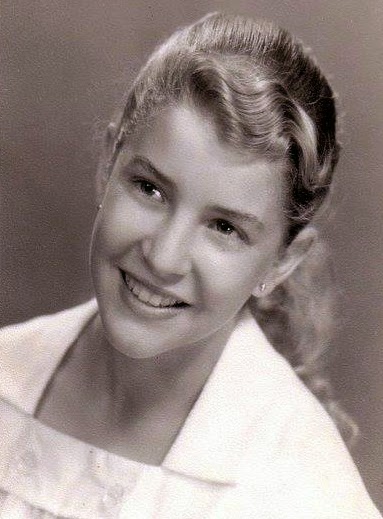
QUEM PARTE LEVA SAUDADE

EMILINHA BORBA
COMPOSITOR: FRANCISCO SCARAMBONE
PAÍS: BRASIL
ÁLBUM: QUERES SABER
GRAVADORA: REVIVENDOSE
GÊNERO: CHORO
ANO: 1941
 
           Emília Savana da Silva Borba, conhecida como Emilinha Borba, (Rio de Janeiro, 31 de agosto de 1923—Rio de Janeiro, 3 de outubro de 2005) foi uma cantora de samba, marcha e choro brasileira. É considerada uma das mais populares intérpretes do século XX no Brasil.
          Em 1949, Emilinha já era a maior estrela da Rádio Nacional, mas as irmãs Linda Batista e Dircinha Batista eram também muito populares, e as vencedoras, por anos consecutivos, do concurso para Rainha do Rádio. Este torneio era coordenado pela Associação Brasileira de Rádio, sendo que os votos eram vendidos com a Revista do Rádio e a renda era destinada para a construção de um hospital para artistas. Neste ano Emilinha gravou a marcha "Chiquita Bacana" (Primeiro lugar nas paradas de sucesso) e passou a ser considerada a vencedora do concurso. Entretanto, Marlene, uma cantora novata apareceu e venceu o concurso de forma espetacular. Para tal, recebeu o apoio da Companhia Antarctica Paulista. A empresa de bebidas estava prestes a lançar no mercado um novo produto, o Guaraná Caçula, e, atenta à popularidade do concurso, pretendiam usar a imagem de Marlene, Rainha do Rádio, como base de propaganda de seu novo produto, dando-lhe, em troca, um cheque em branco, para que ela pudesse comprar quantos votos fossem necessários para sua vitória. Assim, Marlene foi eleita com 529.982 votos. Desse modo, originou-se a famosa rivalidade entre os fãs de Marlene e Emilinha, uma rivalidade que, de fato, devia muito ao marketing e que contribuiu expressivamente para a popularidade espantosa de ambas as cantoras pelo país.
           Só em 1953, Emilinha foi finalmente coroada como Rainha do Rádio, unicamente com o apoio popular. A quantidade de votos que lhe deu a vitória era maior que a das outras concorrentes somadas.
Quem parte leva saudades!
Dentro de teu coração
Chorar, bem longe de
Quem se ama
É ter uma recordação!
 
Quero relembrar
O nosso amor que passou
E quem sabe!
Quando tu podes voltar
 
Na hora da partida
Eu vi você chorando
Com teu olhar tristonho
Enfim, me acompanhando
 
De algum jeito de esquecer
Do meu primeiro amor
Que ele jamais
Há de morrer!

OPINIÃO!

ZÉ KETI
COMPOSITORES: ZÉ KETI
PAÍS: BRASIL
ÁLBUM: OPINIÃO... E OUTROS SUCESSOS
GRAVADORA: ITAMARATY
GÊNERO: SAMBA
ANO: 1971
 
          Zé Keti, nome artístico de José Flores de Jesus (Rio de Janeiro, 16 de setembro de 1921—Rio de Janeiro, 14 de novembro de 1999), foi um cantor e compositor do samba brasileiro.
          Nascido em 16 de setembro de 1921, embora tenha sido registrado em 6 de outubro, no bairro de Inhaúma, José Flores de Jesus ficou conhecido como Zé Keti. Em 1924, foi morar em Bangu na casa do avô, o flautista e pianista João Dionísio Santana, que costumava promover reuniões musicais em sua casa, das quais participavam nomes famosos da música popular brasileira como Pixinguinha, Cândido das Neves, entre outros. Filho de Josué Vale da Cruz, um marinheiro que tocava cavaquinho, cresceu ouvindo as cantorias do avô e do pai. Após a morte do avô, em 1928, mudou-se para a Rua Dona Clara. Cantou o samba, as favelas, a malandragem e seus amores.
          Ele começou a atuar na década de 1940, na ala dos compositores da escola de samba Portela. Entre 1940 e 1943, compôs sua primeira marcha carnavalesca: "Se o feio doesse". Em 1946, "Tio Sam no Samba" foi o primeiro samba de sua autoria gravado (pelo grupo Vocalistas Tropicais). Em 1951, obteve seu primeiro grande sucesso com o samba "Amor passageiro", parceria com Jorge Abdala gravado por Linda Batista na RCA. No mesmo ano, seu samba "Amar é bom", parceria com Jorge Abdala foi gravado na Todamérica pelos Garotos da Lua.
      Em 1955, sua carreira começou a deslanchar quando seu samba "A voz do morro", gravada por Jorge Goulart e com arranjo de Radamés Gnattali, fez enorme sucesso na trilha do filme "Rio 40 graus", de Nelson Pereira dos Santos. Neste filme, trabalhou também como segundo assistente de câmera e ator. Outro sucesso nOS anos cinquenta, foi "Leviana", que também foi incluído no filme "Rio 40 Graus"(1955), de Nelson Pereira dos Santos, diretor com o qual trabalhou também no filme "Rio Zona Norte"(1957).
         Dono de um temperamento tímido, seu pseudônimo veio do apelido de infância "Zé Quieto" ou "Zé Quietinho". No ano de 1962 idealizou o conjunto A Voz do Morro, do qual participou e que ainda contava com Elton Medeiros, Paulinho da Viola, Anescarzinho do Salgueiro, Jair do Cavaquinho, José da Cruz, Oscar Bigode e Nelson Sargento. O grupo lançou três discos.
          Música lançada durante a ditadura militar em que o autor denuncia, por meio da letra da música, o processo de remoção das favelas.

Podem me prender, podem me bater
Podem até deixar-me sem comer
Que eu não mudo de opinião
Daqui do morro eu não saio não
 
Podem me prender, podem me bater
Podem até deixar-me sem comer
Que eu não mudo de opinião
Daqui do morro eu não saio não
 
Se não tem água, eu furo um poço
Se não tem carne, eu compro um osso
E ponho na sopa e deixa andar
Deixa andar, deixa andar
 
Fale de mim quem quiser falar
Aqui eu não pago aluguel
Se eu morrer amanhã, seu doutor
Estou pertinho do céu
 
Podem me prender, podem me bater
Podem até deixar-me sem comer
Que eu não mudo de opinião
Daqui do morro eu não saio não
 
Daqui do morro eu não saio não
Daqui do morro eu não saio não.

 SOMETHING SO STRONG

CROWDED HOUSE
SONGWRITERS: NEIL MULLANE FINN & MITCHELL FROOM
COUNTRY: AUSTRALIA
ALBUM: CROWDED HOUSE
LABEL: CAPITOL RECORDS
GENRE: POP ROCK
YEAR: 1987
 
       Crowded House are a rock band, formed in Melbourne in 1985. Its founding members were New Zealander Neil Finn(vocalist, guitarist, primary songwriter) and Australians Paul Hester (drums) and Nick Seymour (bass). Later band members included Neil Finn's brother, Tim Finn, and Americans Mark Hart and Matt Sherrod. The current line-up includes Finn's sons Elroy and Liam and the American keyboard player Mitchell Froom. Neil Finn and Nick Seymour have been the sole constant members of the group since its formation.
        Originally active from 1985 to 1996, Crowded House had consistent commercial and critical success in New Zealand and Australia and international chart success in two phases, beginning with a self-titled debut album that reached number 12 on the US Album Chart in 1987 and provided the Top Ten hits "Don't Dream It's Over" and "Something So Strong". Further international success came in the UK, Europe and South Africa with their third and fourth albums (Woodface and Together Alone) and the compilation album Recurring Dream, which included the hits "Fall at Your Feet", "Weather with You", "Distant Sun", "Locked Out", "Instinct" and "Not the Girl You Think You Are". Neil and Tim Finn were each awarded an OBE in June 1993 for their contributions to the music of New Zealand.
          In June 1996, Crowded House announced that it would disband. The band played several farewell concerts that year, including the "Farewell to the World" concerts in Melbourne and Sydney. On 26 March 2005, Hester died by suicide, aged 46. In 2006, the group re-formed with drummer Matt Sherrod and released two further albums (in 2007 and 2010), each of which reached number one on Australia's album chart. After several years of inactivity, it was announced a revised line-up of Crowded House would tour the UK in 2020. The new line-up features Neil Finn, Nick Seymour, Mitchell Froom, and Finn's sons Liam and Elroy. Due to the COVID-19 pandemic, the band's planned 2020 concerts were postponed.
       As of 2021, Crowded House have sold over 15 million albums worldwide. In November 2016, the band was inducted into the ARIA Hall of Fame.
           "Something So Strong" is a rock song written by Neil Finn and Mitchell Froom and performed by Crowded House for their eponymous debut album(June 1986). The track was released as the album's fifth and final single in April 1987. The single peaked at Nº 18 on the Australian Kent Music Report Singles Chart, Nº 3 in New Zealand, Nº 7 in the United States Billboard Hot 100, and Nº 10 on the Canadian RPM 100.
          The track lends its title to the book, Crowded House: Something So Strong(1997), by Australian biographer Chris Bourke, which details the band's career from forming to just after their breakup in 1996. According to Bourke, "Something So Strong", was the first song written by Finn specifically for Crowded House. However while in the studio, producer, Froom, and Finn reworked parts of the song and as such, Froom is credited as a co-writer. Demos of this song have been linked to Finn's earlier band Split Enz, from the 1984 See Ya 'Round period, potentially making the timeline earlier on this track.
Love can make you weep
Can make you run for cover
Roots that spread so deep
Bring life to frozen ground
 
Something so strong
Could carry us away
Something so strong
Could carry us today
 
Turning in my sleep
Love can leave you cold
A taste of jealousy
Is like a lust for gold
 
Something so strong
Could carry us away
Something so strong
Could carry us today
 
I've been
Feeling so much older
Frame me
And hang me on the wall
I've seen
You fall into the same trap
This thing
Is happening to us all, yeah
 
Something so strong
Could carry us away
Something so strong
Could carry us today
 
Something so strong
Something so strong
Something so strong
Something, something so strong.

THERE MUST BE AN ANGEL

ANNIE LENNOX(EURYTHMICS)
SONGWTITERS: LENNOX ANNIE & TEWART DAVID ALLAN
COUNTRY: SCOTLAND
ALBUM: BE YOURSELF TONIGHT
LABEL: RCA VICTOR
GENRE: SYNTH-POP
YEAR: 1985
 
           Ann Lennox (born 25 December 1954) is a Scottish singer-songwriter, political activist and philanthropist. After achieving moderate success in the late 1970s as part of the new wave band the Tourists, she and fellow musician Dave Stewart went on to achieve international success in the 1980s as Eurythmics. Appearing in the 1983 music video for "Sweet Dreams (Are Made of This)" with orange cropped hair and wearing a man's business suit, the BBC states, "all eyes were on Annie Lennox, the singer whose powerful androgynous look defied the male gaze". Subsequent hits with Eurythmics include "There Must Be an Angel (Playing with My Heart)" and "Here Comes the Rain Again".
          Lennox embarked on a solo career in 1992 with her debut album, Diva, which produced several hit singles including "Why" and "Walking on Broken Glass". The same year, she performed "Love Song for a Vampire" for Bram Stoker's Dracula. Her 1995 studio album, Medusa, includes cover versions of songs such as "No More 'I Love You's'" and "A Whiter Shade of Pale". To date, she has released six solo studio albums and a compilation album, The Annie Lennox Collection(2009). With eight Brit Awards, which includes being named Best British Female Artist a record six times, Lennox has been named the "Brits Champion of Champions". She has also collected four Grammy Awards and an MTV Video Music Award. In 2002, Lennox received a Billboard Century Award; the highest accolade from Billboard. In 2004, she received the Golden Globe and the Academy Award for Best Original Song for "Into the West", written for the soundtrack to the feature film The Lord of the Rings: The Return of the King.
         "There Must Be an Angel (Playing with My Heart)" is a song by the British musical duo Eurythmics, released as the second single from their fifth studio album, Be Yourself Tonight(1985). It features a harmonica solo by American musician Stevie Wonder. The song became a worldwide success; most notably in Ireland, Norway and the United Kingdom, where it remains the duo's only chart-topper.
          The song has been covered by several musical artists, including Brittany Murphy, Fantastic Plastic Machine, Leningrad Cowboys, Luciano Pavarotti, Kylie Minogue, Jessica G. Pilnäs and, most noticeably, German girl group No Angels, who scored their second number-one single in Austria and Germany with their rendition for the reissue of their album Elle'ments in August 2001.
No one on earth could feel like this
I'm thrown and overblown with bliss
There must be an Angel
Playing with my heart
I walk into an empty room
And suddenly my heart goes boom
It's an orchestra of Angels
And they're playing with my heart
 
Must be talking to an Angel
 
Must be talking to an Angel
 
No one on earth could feel like this
I'm thrown and overblown with bliss
There must be an Angel
Playing with my heart
And when I think that I'm alone
It seems there's more of us at home
It's a multitude of Angels
And they're playing with my heart, yeah
 
Must be talking to an Angel
 
Must be talking to an Angel
 
I must be hallucinating
Watching Angels celebrating
Could this be reactivating
All my senses dislocating?
This must be a strange deception
By celestial intervention
Leaving me the recollection
Of your Heavenly connection
 
I walk into an empty room
Suddenly my heart goes boom
It's an orchestra of angels
They're playing with my heart, yeah.